Six Interactive Oral Modes
Based on the same pedagogical frameworks used to design your curricula

For study, practice, and assessment -
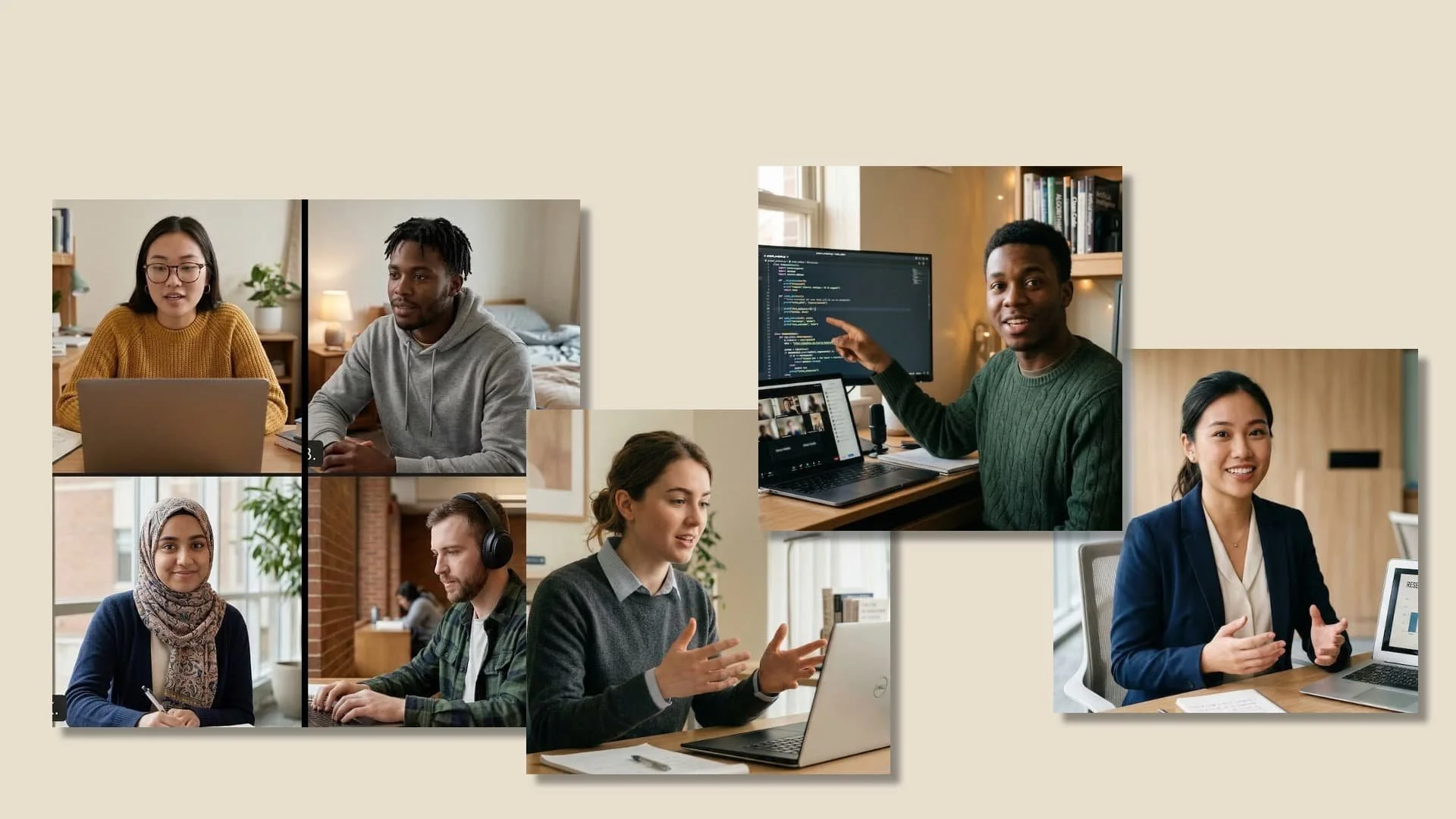
Live Video AI Interactive Orals
Structured or unstructured, adaptive conversations driven by the patented Assurar algorithm
Each mode ready to go with easy custom configuration
-
The backbone of authentic assessment - adaptive, scaffolded, probing dialog, aligned to your rubric from the first question to the last.
Assurar's AI examiner conducts a real-time interactive oral with each student: identical or varied with your questions, or AI-generated questions.
Listening to their spoken responses, and adapting follow-ups that probe for genuine understanding.
-
Students submit their work - then they have to stand behind it.
Assignment Defence pairs any document submission with a live oral interaction of targeted questions about their content.
It's the fastest way to distinguish authentic understanding from AI-assisted surface knowledge, and it gives students something more valuable than a grade: the experience of articulating what they actually learned.
-
Put students into the scenario before they get to the workplace.
Role Play mode creates structured professional simulations - a patient consultation, a client negotiation, a stakeholder briefing - where students demonstrate applied knowledge in context.
The AI adopts the role you define, responds dynamically to the student's approach, and evaluates against rubric criteria. It's experiential learning with built-in assessment, available to every student in the cohort, not just those lucky enough to land a placement.
-
Challenge a student's position and watch what happens.
Debate mode presents a proposition, assigns a stance, and then pushes back - testing not just what students know, but how they reason under pressure.
Students must construct arguments, anticipate counterpoints, and defend their position in real time. It builds exactly the kind of critical thinking and intellectual resilience that employers say graduates are missing, while giving you a rubric-aligned record of how well each student can actually think on their feet.
-
Collaborative assessment without the free-rider problem.
Group Assessment brings multiple students into a shared oral session exploring the topic together - but with individual accountability built in.
Assurar tracks each student's contributions, asks targeted follow-up questions to individual participants, and evaluates against both group and individual rubric criteria. You get authentic evidence of teamwork and communication skills, and every student knows they can't hide behind the group
-
Code that compiles isn't code that's understood.
Coding Review puts students in front of their own work and asks them to explain it - line by line if needed. They walk through their logic, justify their design decisions, and respond to questions about edge cases, efficiency, and alternatives.
It's the difference between a student who copied a working solution and one who can reason about why it works. For computing and engineering programs, it's the assessment mode that closes the gap between submission and comprehension.
The adaptive learning conversation approach:
Set the style, tone and duration to suit your exercise or assessment
Scaffolding student learning in real-time
Based on your body of knowledge, course materials and rubrics
Use your questions and rubrics, or, AI-generated questions and rubrics
Synchronous or asynchronous - hundreds or thousands each week
Feedback and grading AI-generated: structured to the rubric and citing the transcript
Teacher approval before release of feedback and grading to the student and the LMS gradebook
Based on the same pedagogical frameworks used to design your curricula
Automated feedback
and grading
Released after educator review and refinement
Every word spoken in an Assurar session is captured: real-time speech-to-text transcription with timestamps, paired with a full video recording stored for as long as you need.
Educators review AI-suggested grades against the actual transcript. If a student appeals or an auditor asks for evidence, the complete record is there — no reconstruction, no reliance on examiner notes, no gaps.
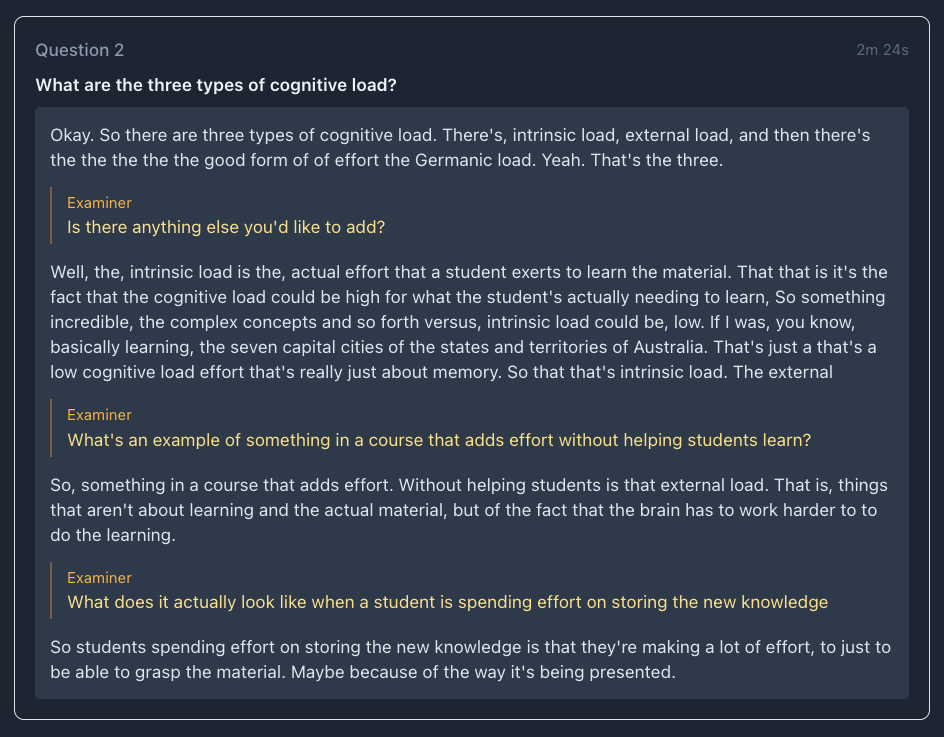
Transcript & video recording
For grading, auditing and academic disputes - every session retains the transcript and video recording
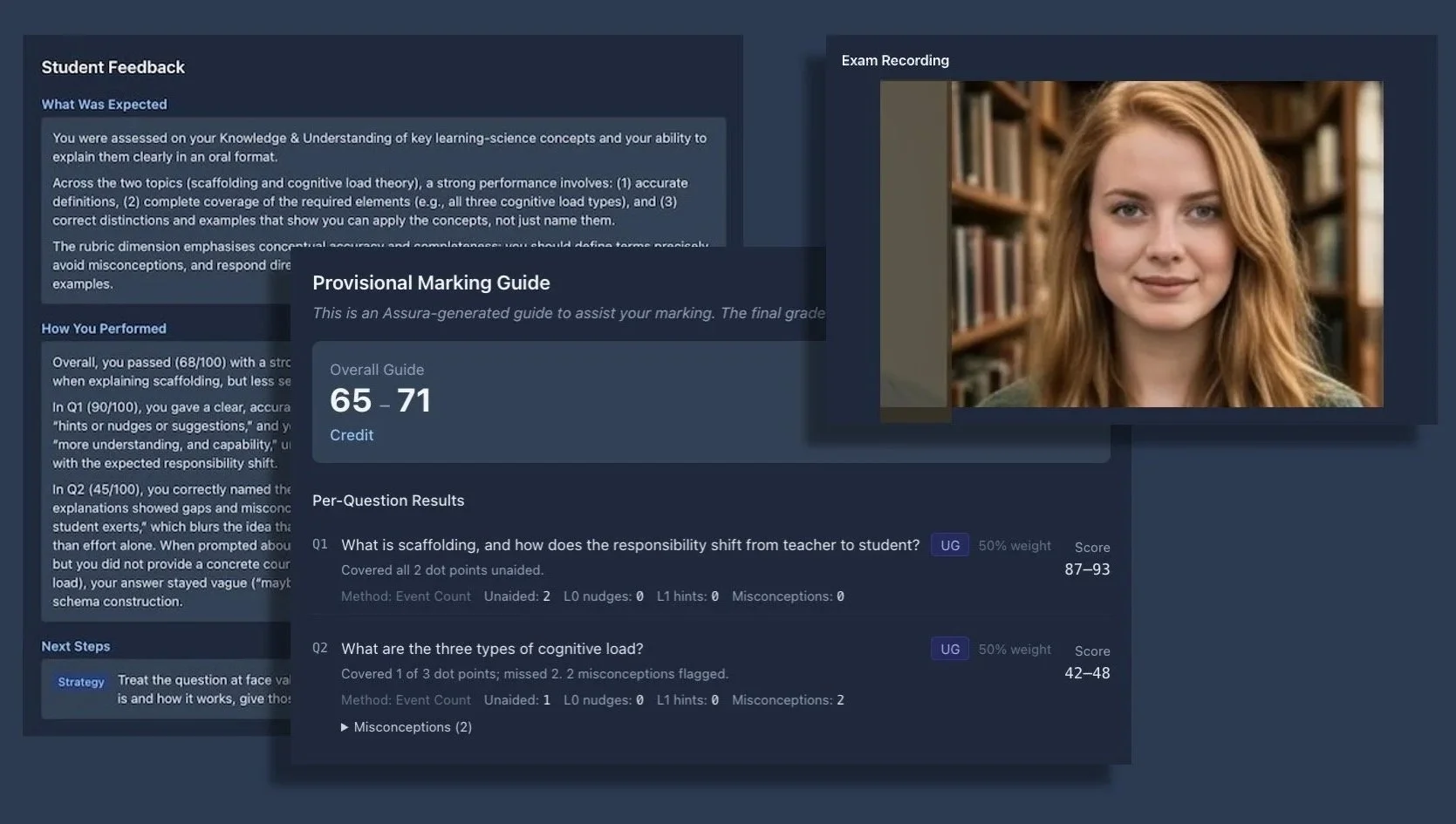
Human-in-the-loop
feedback and grading
Personalised, structured, detailed.
Feedback and grading citing the rubric and session transcript.
More feedback. Better feedback. Efficiently.
Available for beta-release trials now
or submit a query:
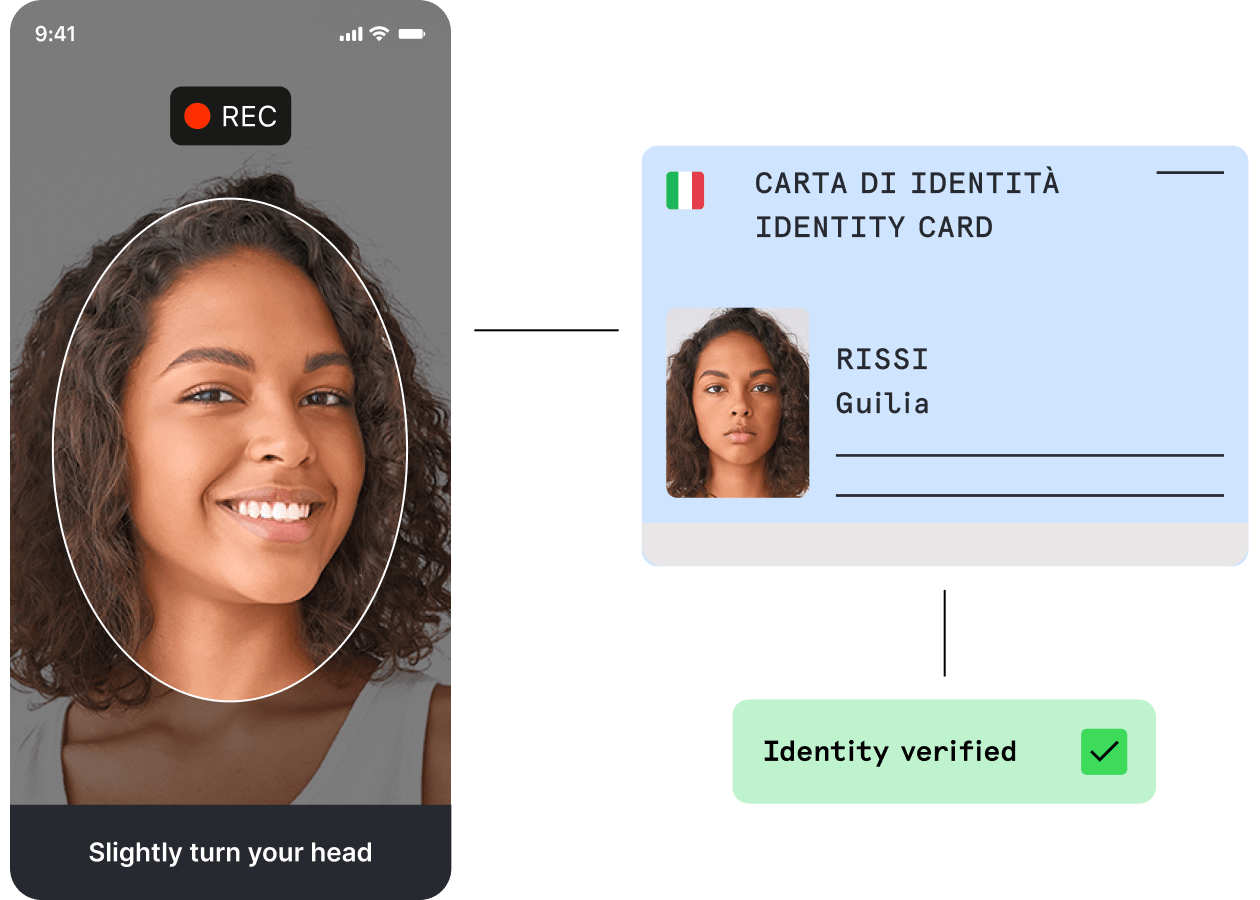
Dial your level of security
and vigilance
Apply as little or as much as your institution demands for secured and unsecured assessments.
Locked browser, ID-checks, voice biometrics, facial recognition…
and more…
Inclusive.
Free from bias.
» By design.
Assurar enables a level playing field for on-campus and remote students - for Lane 1 & 2 assessments.
Advanced algorithms support diversity of languages and local fluency, neurodiversity, and disabilities.
Bias is eliminated - the algorithms don’t hold opinions about students.
Pre-integrated to LMS workflows.
Integrated seamlessly with the major Learning Management Systems, for efficient workflow.